Compare armored, all-dielectric, and unarmored outdoor fiber cables by installation method, core count, materials, and supply format.
Outdoor network procurement is easier when cable specifications are organized around route conditions, installation methods, and future capacity. Importers and project buyers should compare structural design, fiber type, core count, jacket material, certification, and packing length before confirming an order. A balanced fiber cable range can support different tenders without forcing one construction into every application.
Match the Construction to the Route
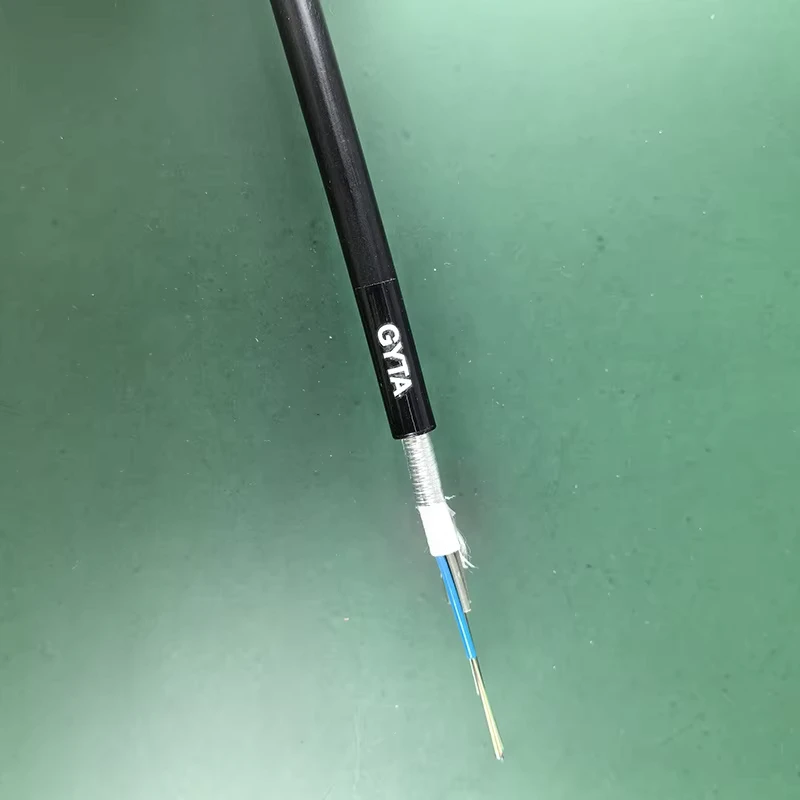
For demanding outdoor routes where a GYTA53 construction is specified, the GYTA53 outdoor cable combines G652D fiber with a black HDPE jacket. Core options include 12, 24, 48, and 96, while available packing lengths range from 2 km to 5 km per roll. CE, RoHS, and ISO 9001 credentials, together with a five-year warranty, make specification review more straightforward.
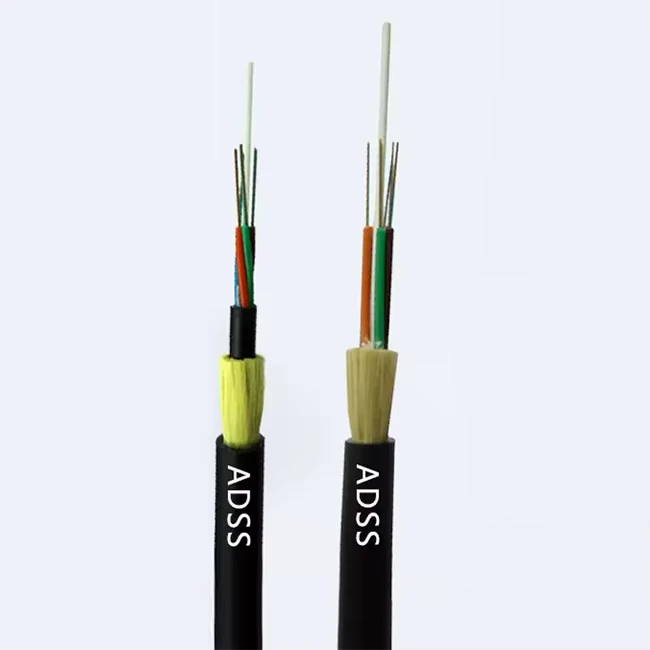
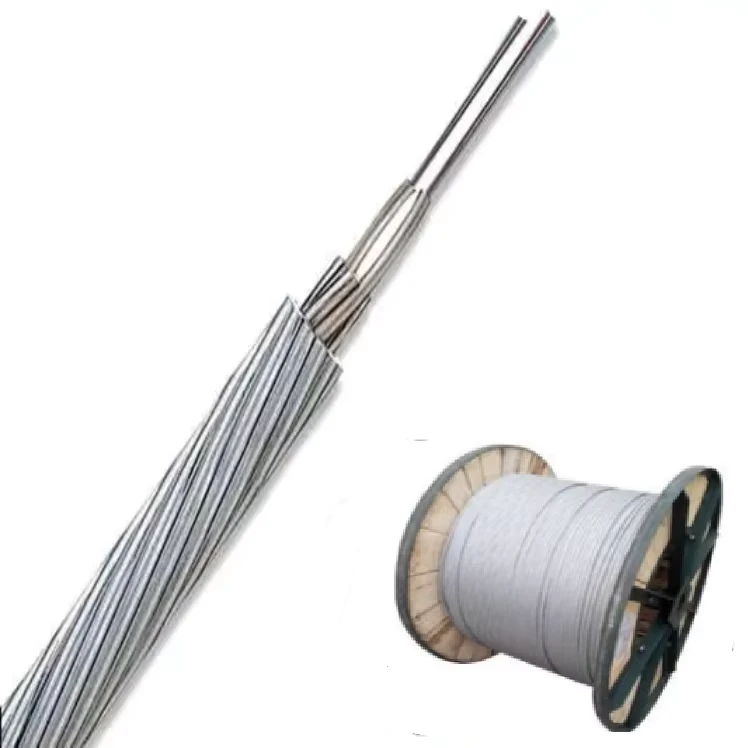
Routes that require a self-supporting, non-metallic solution call for a different design. The ADSS fiber cable uses aramid yarn as its strength member and is available in 24, 48, and 96 cores. Its all-dielectric structure suits aerial telecom planning where electrical isolation is an important project requirement. Wooden-roller packing supports bulk handling and shipment.
Check Fiber Compatibility and Logistics
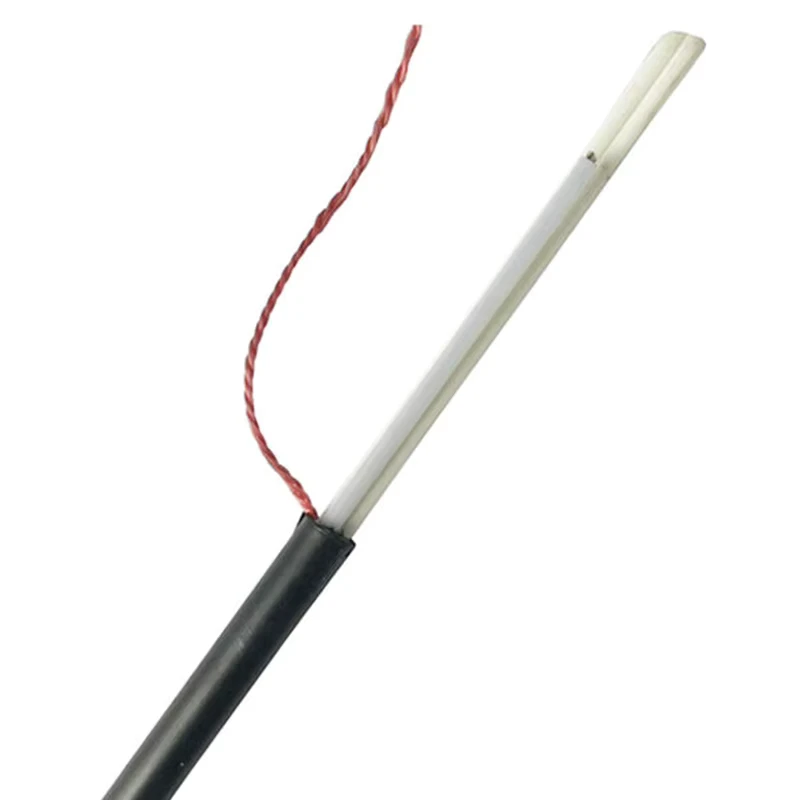
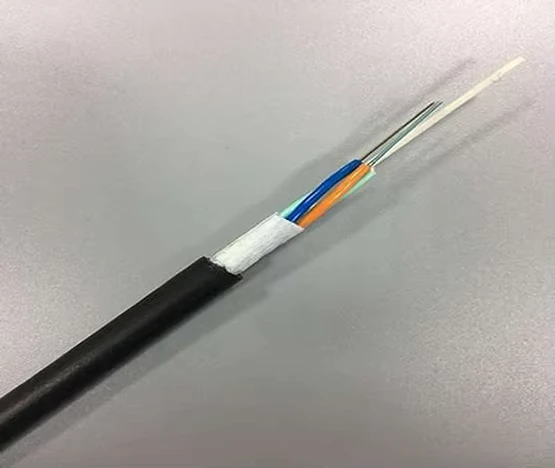
For duct networks requiring an unarmored construction, the GYFTZY duct cable provides 24- and 48-core choices, a PE jacket, and an FRP central strength member. Buyers can specify G652D, G657A1, G657A2, OM1, OM2, OM3, or OM4 fiber according to network design. Wooden-drum packaging is suitable for project delivery and installation planning.
Before requesting a quotation, share the installation environment, required fiber standard, core count, target length, certification needs, and delivery destination. Clear technical and commercial details help suppliers prepare an accurate offer for distribution, tender, or infrastructure procurement.