
Compare ASU, G657A2 drop, and ADSS fiber optic cables for duct, indoor-outdoor, telecom access, and long-span aerial projects.
Fiber cable procurement becomes easier when the route is divided into practical sections: backbone, aerial distribution, duct installation, and final access. Instead of choosing one construction for the entire network, buyers can match fiber type, core count, strength elements, jacket, and delivery length to each installation environment. Our fiber optic cable range supports this route-based approach.
From Distribution Routes to Subscriber Access
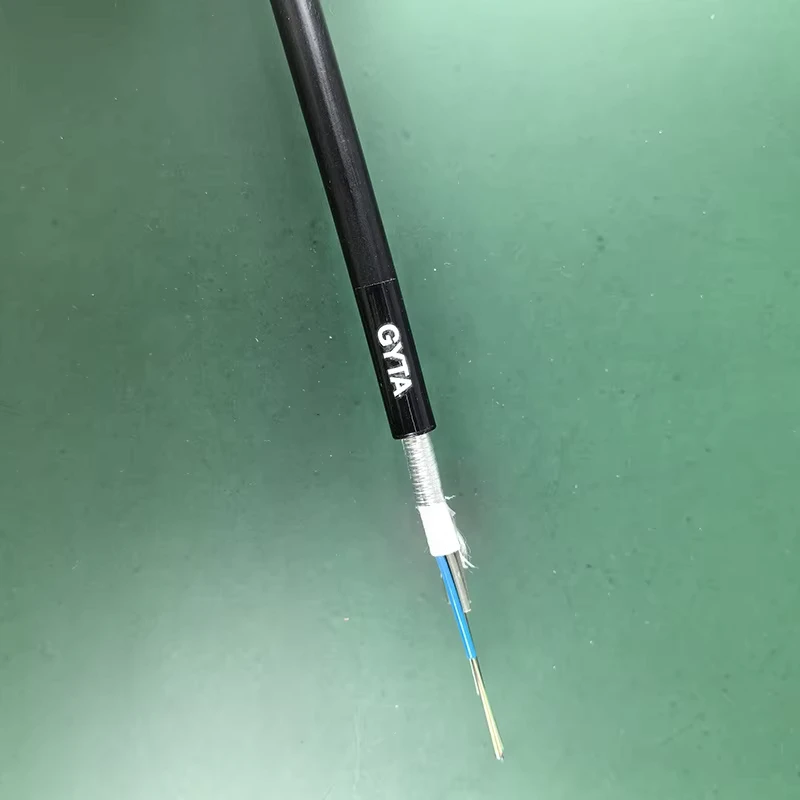
For telecom, aerial, and duct applications, the ASU cable option combines G652D single-mode fiber with PBT loose tubes and a PE sheath. Fiber counts from 2 to 288 cores allow purchasers to align capacity with local distribution or higher-density network requirements. The listed 2,000-meter quantity is also relevant when planning route lengths and shipping units.
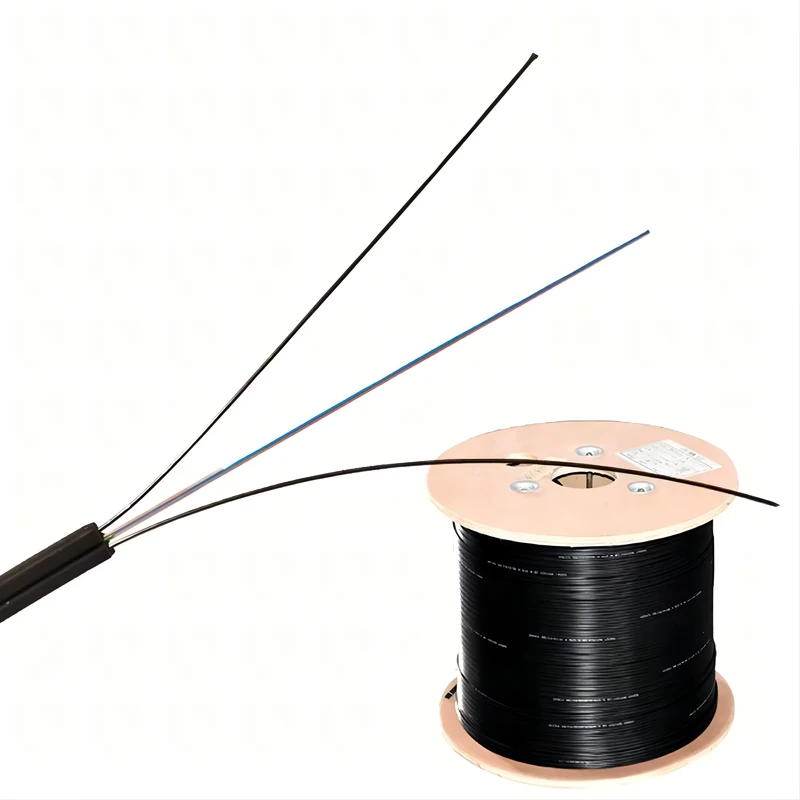
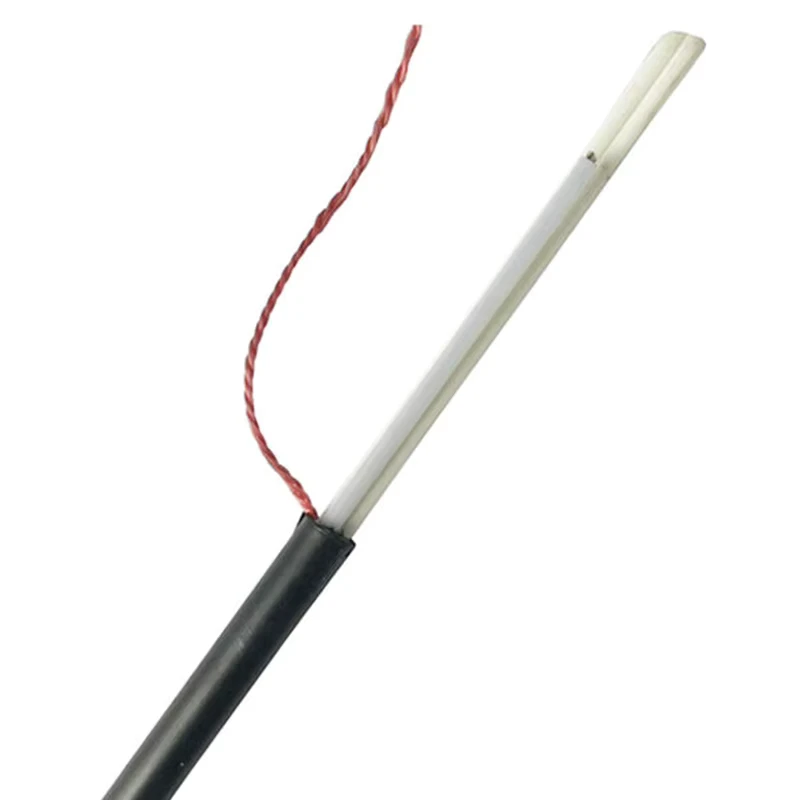
Closer to the user, bend performance and manageable reel lengths often become more important. The G657A2 drop cable provides a single-fiber construction for indoor and outdoor access links. Its flexible G657A2 fiber and 1 km reel format make it a practical candidate for FTTH drops, building entry runs, and last-mile inventory programs.
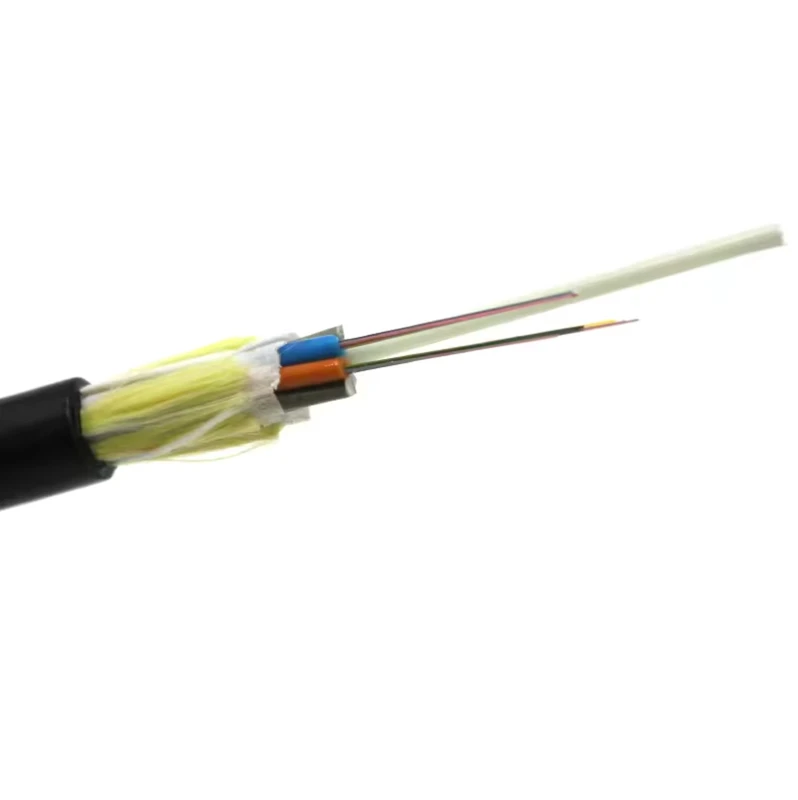
Planning Self-Supporting Aerial Spans
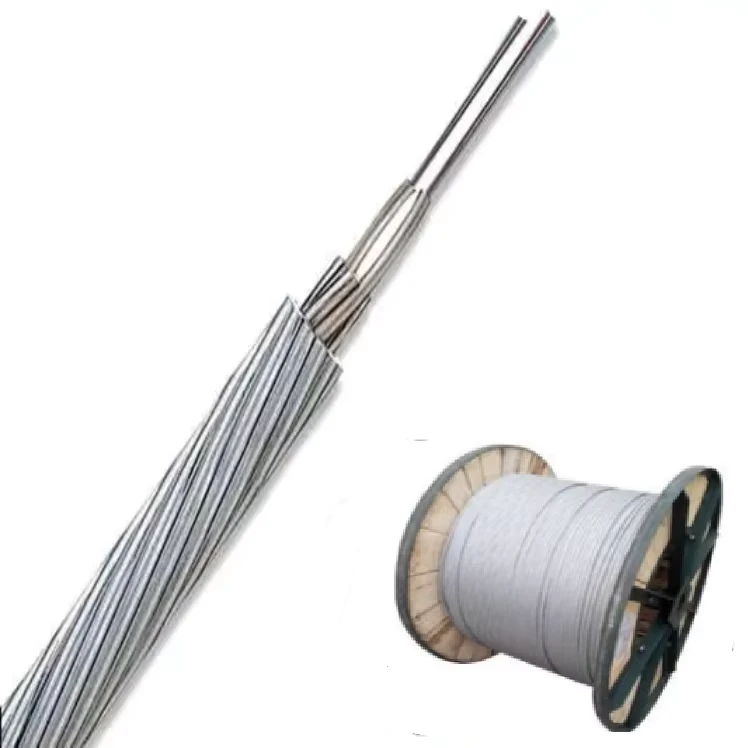
Routes crossing poles require a cable selected around span distance and mechanical structure. The single-jacket ADSS cable is available for 80, 100, 120, and 200-meter span requirements. It uses aramid yarn reinforcement, an FRP central strength member, and a PE jacket, with fiber choices including G652D, G657A1, G657A2, and multimode grades.
For an accurate quotation, provide the application, fiber standard, core count, required span, jacket preference, drum length, order volume, and destination port. We can then help importers, distributors, and project buyers compare suitable constructions and prepare a supply proposal for review.