
Compare aerial, buried, and FTTH drop cables to align fiber type, core count, jacket, and protection with specific project requirements.
Fiber cable procurement becomes easier when every route is divided into installation zones. An aerial backbone, an underground section, and a final subscriber connection face different mechanical and environmental demands. Instead of specifying one universal cable, buyers can match construction, fiber count, and jacket material to each stage of the network.
From outdoor backbone to buried route
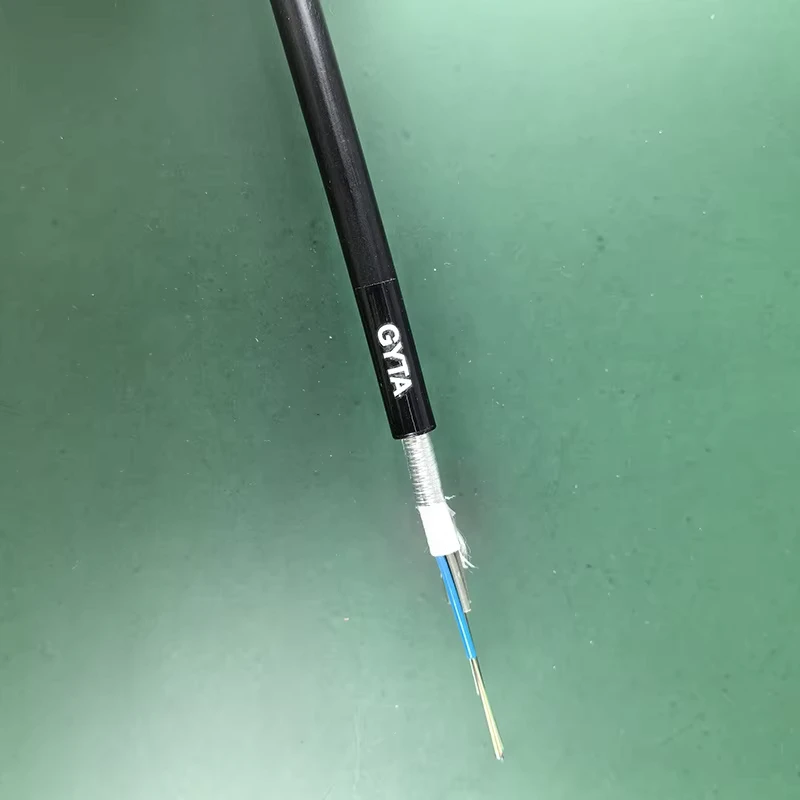
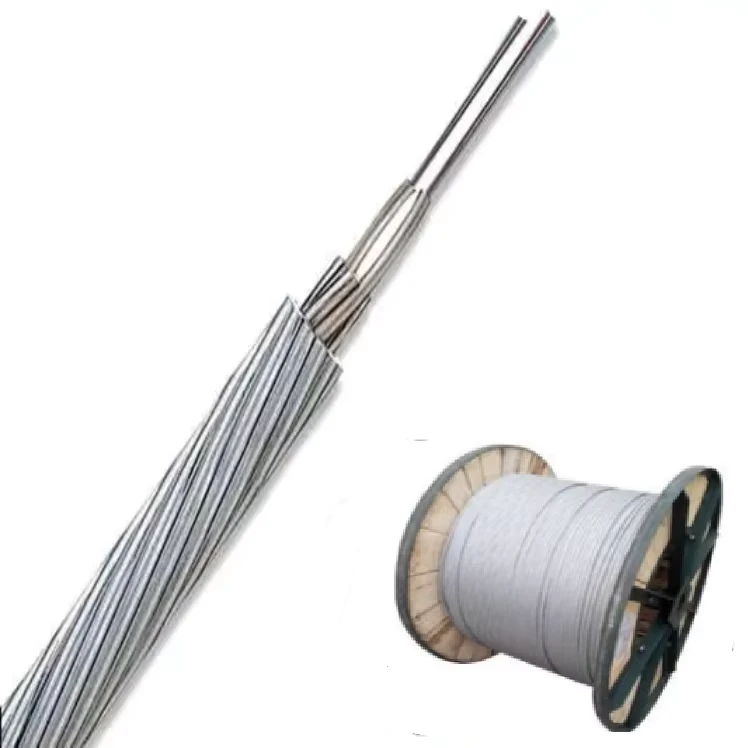
For overhead infrastructure, the outdoor aerial cable supports 12 to 144 cores, with G652D or G657A1 fiber options and a black PE jacket. Available reel lengths include 2 km, 3 km, and 4 km, allowing importers and project contractors to coordinate cable supply with route length and installation planning.
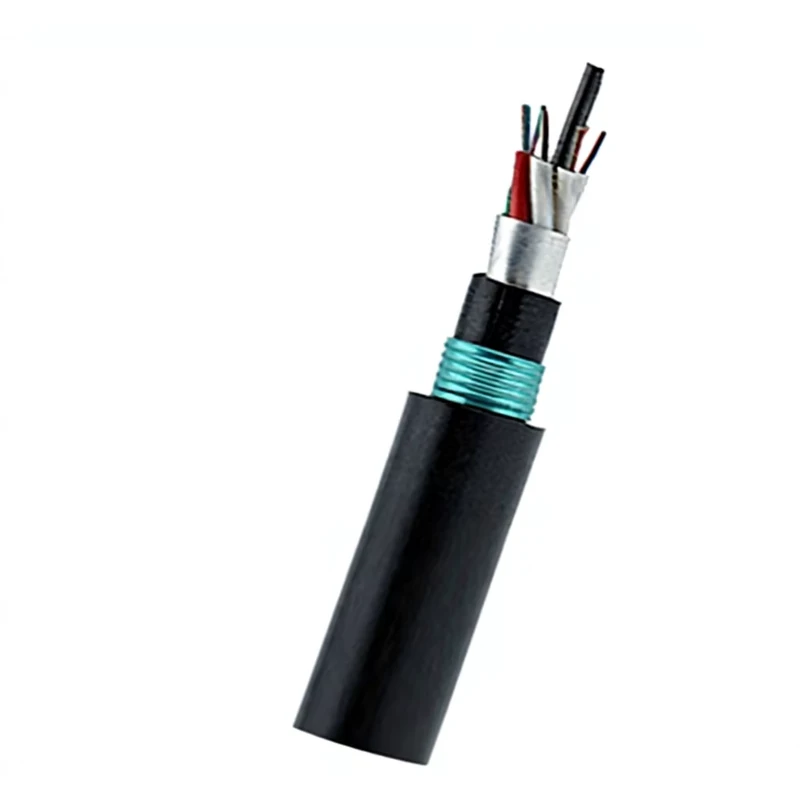
Where the route moves underground, stronger physical protection becomes a priority. The heavy-armored buried cable is offered in core counts from 8 to 144. This broad range helps distributors serve smaller links as well as higher-capacity backbone projects without relying on a single fixed configuration.
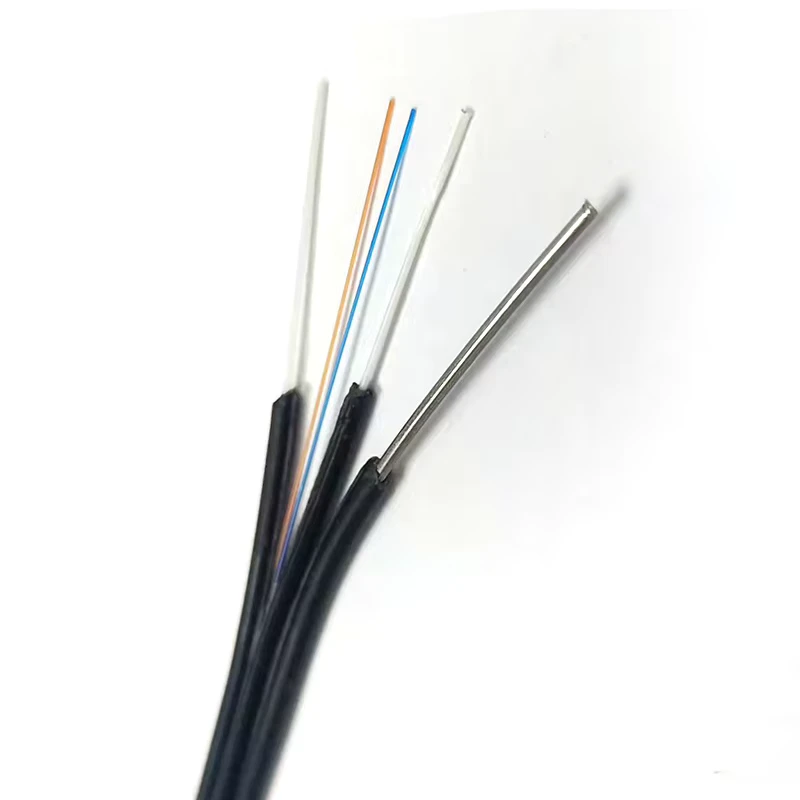
Complete the subscriber connection
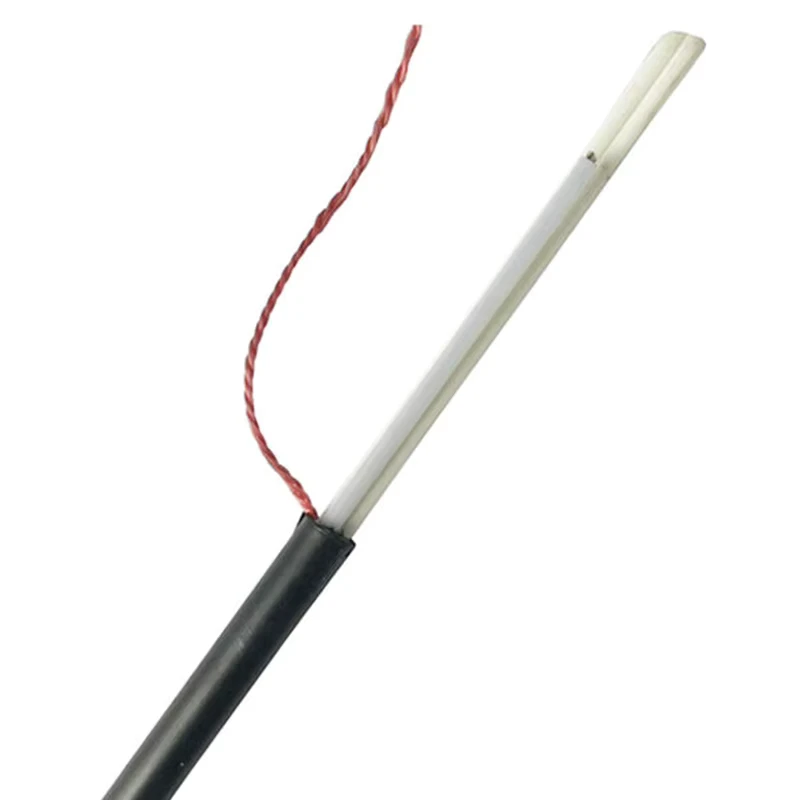
For the final connection into homes or buildings, the FTTH drop cable combines a compact one-conductor configuration with an LSZH jacket and phosphated steel-wire strength members. G652D, G657A1, and G657A2 options enable buyers to select fiber according to bending, installation, and network compatibility requirements.
Before ordering, confirm the route environment, required core count, fiber standard, reel length, jacket material, and documentation. Explore the wider fiber cable range, then send your project specifications for configuration, packaging, sampling, and OEM supply discussions.